Bath re-enamelling and resurfacing are essential services for homeowners looking to restore the beauty and functionality of their bathrooms. These processes not only enhance the aesthetic appeal of bathtubs, sinks, and shower trays but also extend their lifespan significantly. In this article, we will explore the intricacies of bath re-enamelling, the costs associated with resurfacing, the benefits of professional services, and maintenance tips to ensure longevity after restoration. By understanding these aspects, homeowners can make informed decisions about their bath restoration needs.
What Is Bath Re-enamelling and How Does It Restore Damaged Baths?
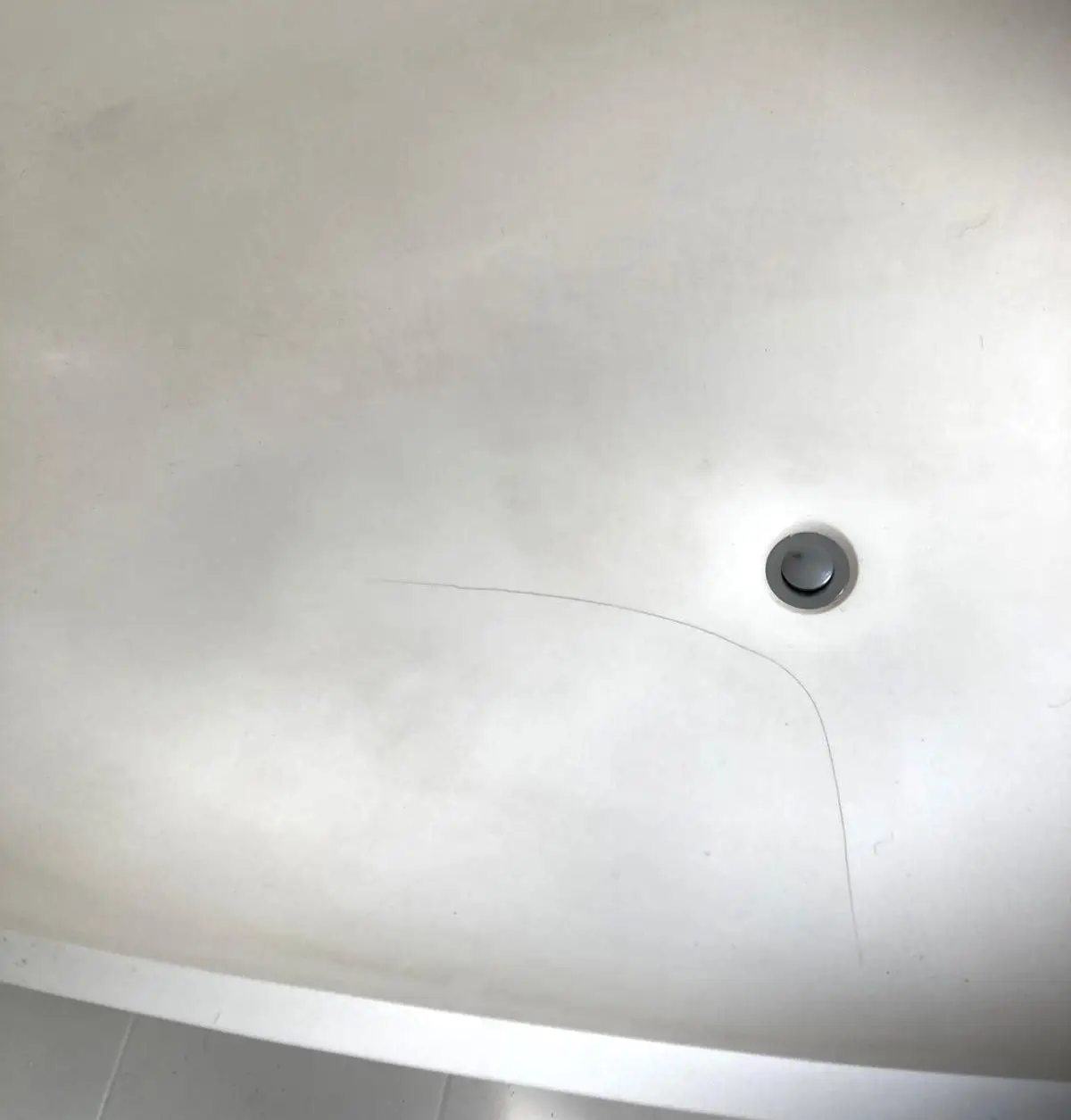
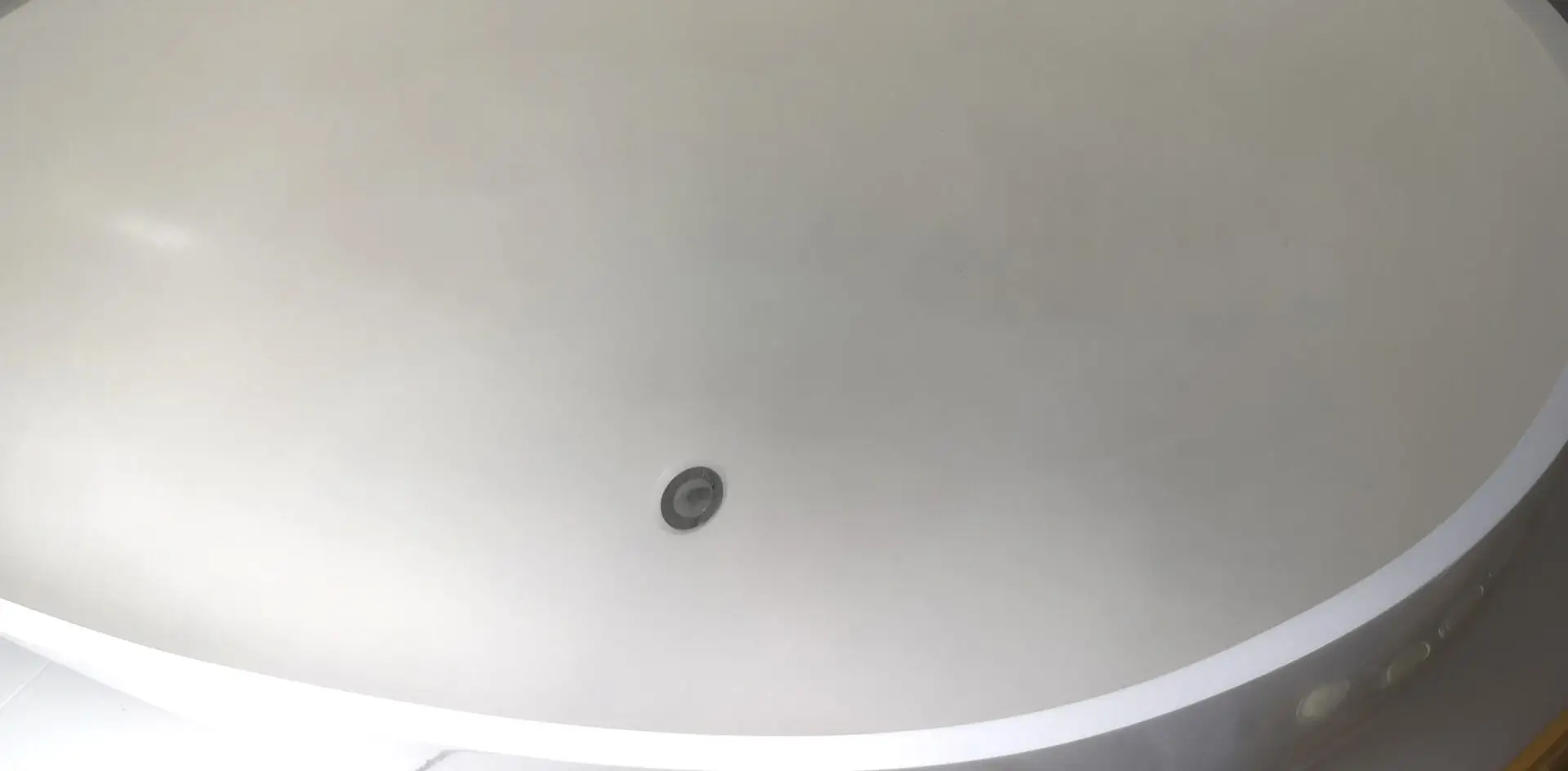
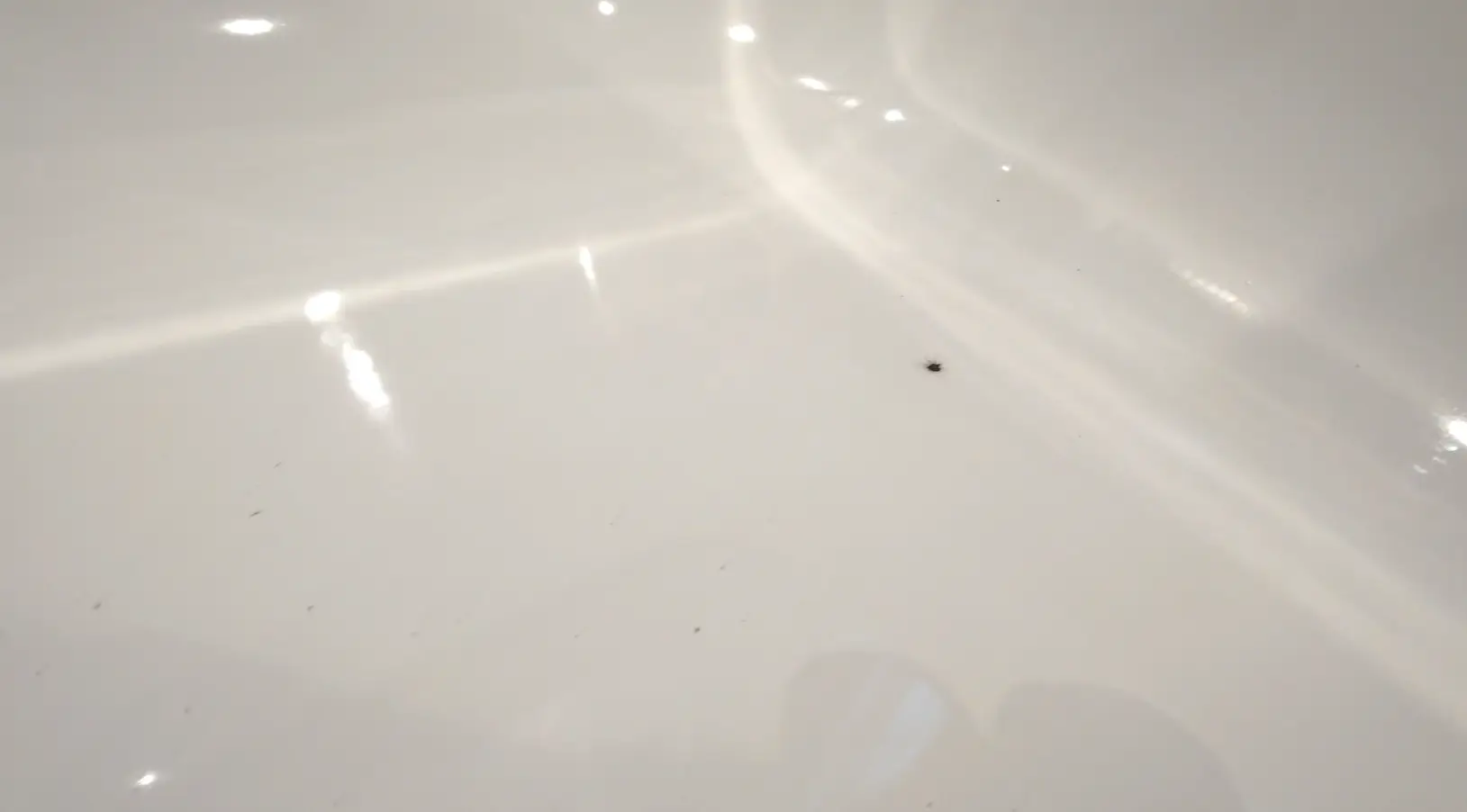
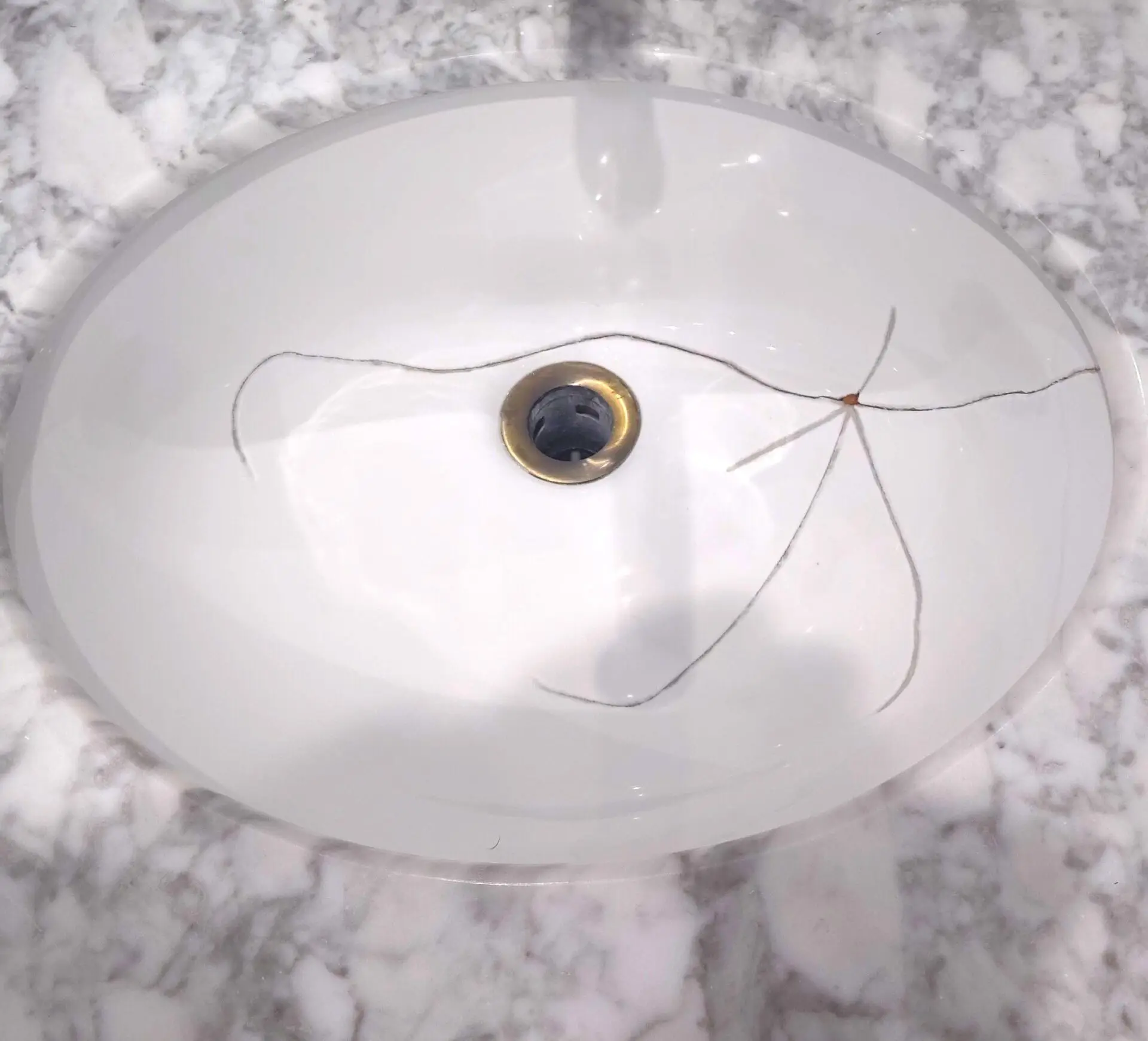
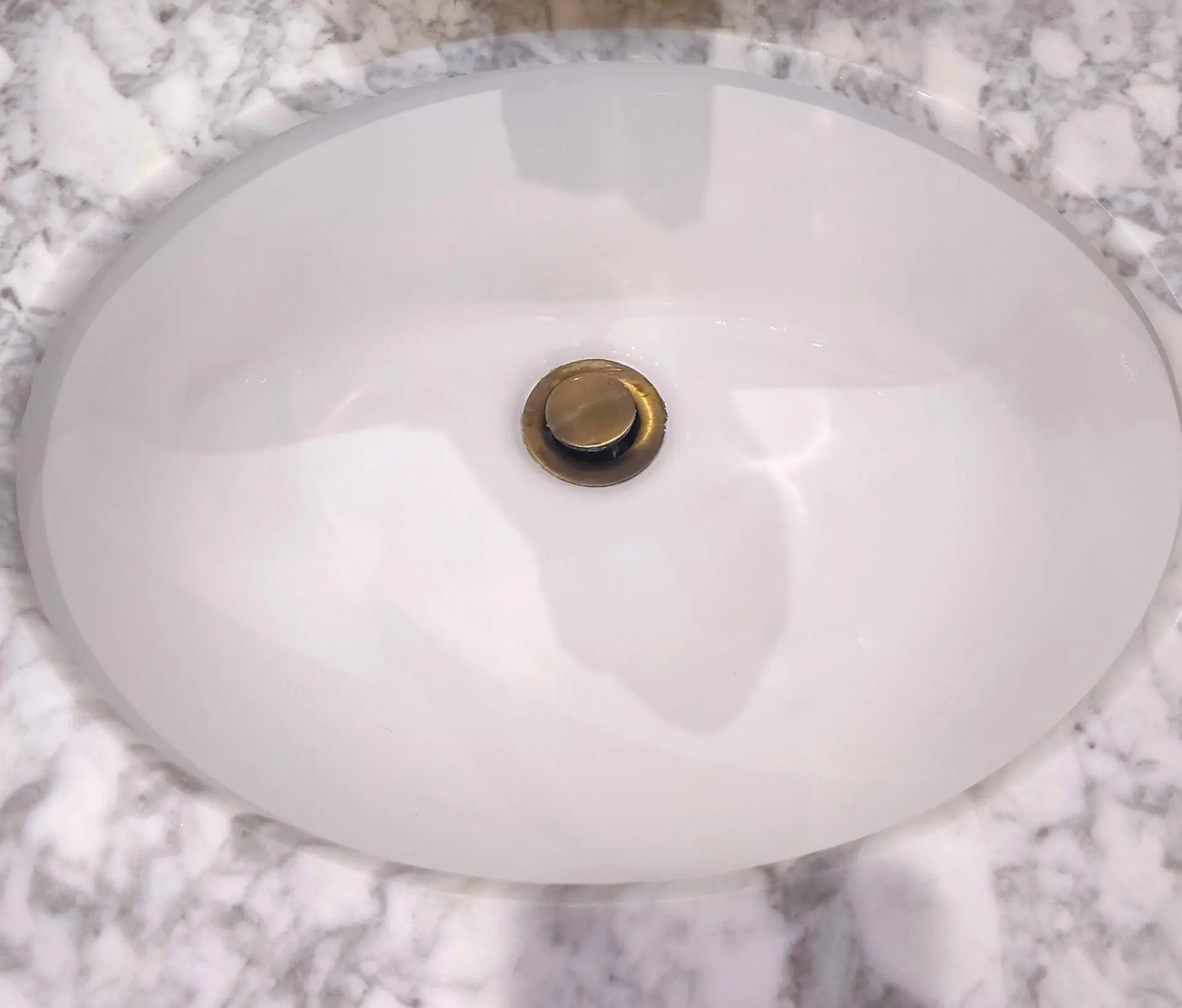
Bath re-enamelling is a process that involves applying a new layer of enamel to a damaged or worn-out bath surface. This technique restores the bath’s original shine and protects it from further damage. The process not only improves the appearance of the bath but also enhances its durability, making it more resistant to scratches and stains.
Understanding the Bath Re-enamelling Process and Enamel Restoration Techniques
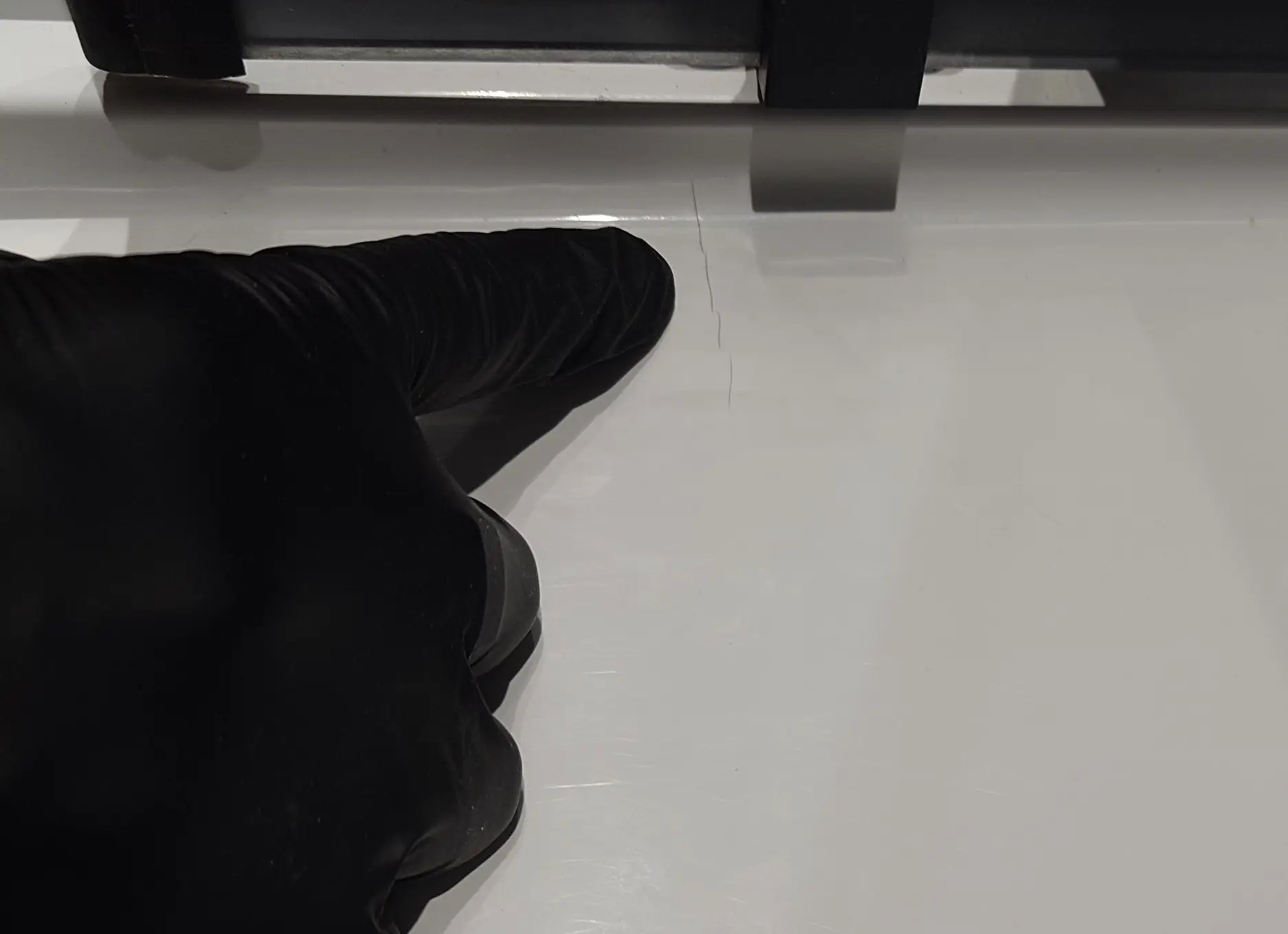
The bath re-enamelling process typically involves several key steps. First, the bath is thoroughly cleaned and decontaminated to remove any soap scum, dirt, or grime. Next, any chips or cracks are sanded down and repaired to create a smooth surface. Finally, a high-quality enamel coating is applied, which bonds to the surface and cures to form a durable finish. This meticulous process ensures that the bath not only looks great but also stands the test of time.
Beyond traditional methods, innovative approaches like laser technology are also being explored for the efficient recovery and repair of sanitary ware.
Which Types of Baths, Sinks, and Shower Trays Can Be Re-enamelled?
Bath re-enamelling is suitable for a variety of fixtures, including:
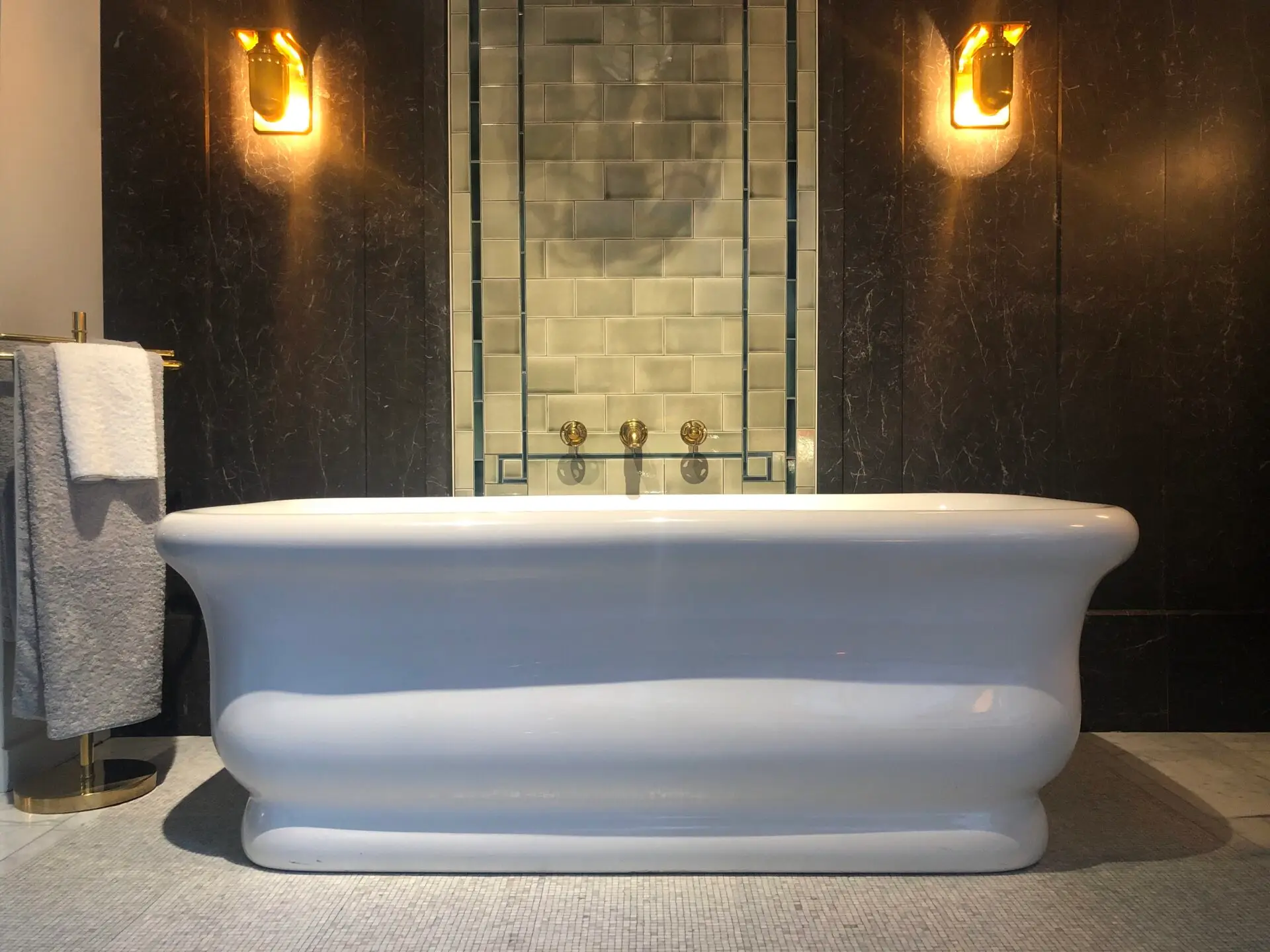
- Bathtubs: Both acrylic and cast iron bathtubs can be re-enamelled to restore their original finish.
- Sinks: Porcelain and ceramic sinks benefit from re-enamelling, enhancing their appearance and functionality.
- Shower Trays: Re-enamelling shower trays can prevent leaks and improve their overall look.
This versatility makes bath re-enamelling a popular choice for homeowners looking to refresh their bathrooms.
How Much Does Bath Resurfacing Cost in the UK?
The cost of bath resurfacing can vary significantly based on several factors, including the type of material, the extent of damage, and the specific services required.
Key Factors Influencing Bathtub Repair Cost: Materials, Labour, and Bath Type
Several key factors influence the cost of bath resurfacing:
- Material Type: Different materials, such as acrylic or cast iron, may have varying costs associated with resurfacing.
- Labour Complexity: The complexity of the repair work required can affect the overall cost. More extensive damage may require additional labour.
- Extent of Damage: The more significant the damage, the higher the cost for repairs and resurfacing.
When comparing costs, acrylic bath repairs tend to be more affordable than traditional refinishing methods, depending on the condition of the bath and the services provided.
What Are the Benefits of Choosing Professional Bath Restoration Services?
Opting for professional bath restoration services offers numerous advantages that can enhance the overall experience and outcome of the restoration process.
For those seeking reliable and expert solutions, Bathrepair.co.uk offers comprehensive services to restore your bathroom fixtures to their former glory.
Extending Bath Lifespan with Durable and High-Quality Finishes
Professional services ensure that high-quality materials are used, which can significantly extend the lifespan of the bath. Durable finishes not only improve the appearance but also provide a protective layer against wear and tear, making the bath more resilient over time.
Customer Satisfaction and Guarantees Offered by Expert Bath Repair Companies
Many professional bath repair companies offer satisfaction guarantees and warranties on their work. This commitment to quality ensures that customers can trust the longevity and effectiveness of the restoration services provided.
How Long Does the Bath Re-enamelling and Resurfacing Process Take?
The duration of the bath re-enamelling and resurfacing process can vary based on several factors, including the size of the bath and the extent of the repairs needed.
Step-by-Step Overview of Surface Preparation, Enamel Application, and Curing Time
The process typically involves:
- Surface Preparation: This initial step can take 2-4 hours, depending on the condition of the bath.
- Enamel Application: Applying the enamel coating usually takes about 2-3 hours.
- Curing Time: The enamel needs to cure for at least 24 hours before the bath can be used again.
Overall, homeowners can expect the entire process to take approximately 1-2 days, including curing time.
Scheduling and Booking Professional Bath Repair Services Near You
To schedule a professional bath repair service, homeowners can contact local providers to discuss their needs and arrange for an assessment. Many companies offer online booking options for convenience.
Where Can You Find Reliable Bath Resurfacing Services Near Me?
Finding reliable bath resurfacing services is crucial for ensuring quality work and customer satisfaction.
Locating Certified Bath Repair Professionals Across the United Kingdom
Homeowners can locate certified professionals by searching online directories or visiting company websites.
How to Request Quotes and Book Bath Restoration Services Online
To request quotes, homeowners can fill out online forms or contact service providers directly via email or phone. Many companies offer a straightforward process for obtaining quotes and booking services, ensuring a hassle-free experience.
What Maintenance Tips Ensure Longevity After Bath Tub Refinishing?
Proper maintenance is essential for preserving the quality of re-enamelled and resurfaced baths.
Recommended Cleaning Practices for Re-enamelled and Resurfaced Baths
To maintain the finish of a re-enamelled bath, homeowners should:
- Use non-abrasive cleaners to avoid scratching the surface.
- Regularly clean the bath to prevent soap scum buildup.
- Avoid harsh chemicals that can damage the enamel.
When to Consider Reapplication or Additional Repairs for Bath Surfaces
Homeowners should consider reapplication or additional repairs if they notice signs of wear, such as chipping or discoloration. Regular inspections can help identify issues early, ensuring the bath remains in excellent condition.